
 By Admin
It is heart breaking to watch your favorite dog go through the pain. All the whimpering, all the timid strut, all when they can not leap on their favourite couch, and it lacerates your heart.
You are a good dog parent and you will do anything to see them out of pain and restore them that happy wag of the tail. However when it comes to dog pain relief, the difference between what is safe and what would kill your beloved family member is what is going to save your life or your dog.
The field of veterinary medicine has improved and grown tremendously in the year 2026, with more choices than ever on how to treat canines in pain.
Responsibility, however, comes with such decisions. This is a step by step guide that will take you through the safe pain relief in dogs, the dangerous drugs to use, the good home remedies for dog pain management, and the time when a professional assistance can be just necessary.
All the Signs of Pain in Your Dog: You Cannot Ignore Them
Dogs have perfected the art of concealing pain, an instinct that was passed down by their wild forebears. It is not always that your dog whines and cries of pain. It is important to be able to detect the slight shifts in behavior in order to intervene early.
Common Signs of Dog Pain:
Hobbling or favoring one leg is a common symptom and is likely to be related to either joint pain, injury, or arthritis. Loss of energy or reduced activity, you have a usually energetic pup lying down and would prefer to be there.
Eating and drinking, inability to eat and drink, particularly when the mouth is painful. Licking or chewing too much, especially in one place. Hates to be touched, shy to be petted in some places. Behavioral changes, aggression, anxiety or withdrawal of the family.
Difficult breathing or rapid breathing, even when not exercising. Distractibility or impossibility to sit down, sit up and down all the time. Whimpering or vocalisation, particularly upon locomotion or being touched. Postural changes, stooped back, drawn tail, or rigid gestures.
Once you can see that your dog displays one or more of the above symptoms, then it is time to determine the level of pain and find a way to alleviate the pain.
The Deadly Truth: Human Pain Killing Drugs Dogs Must NEVER Have
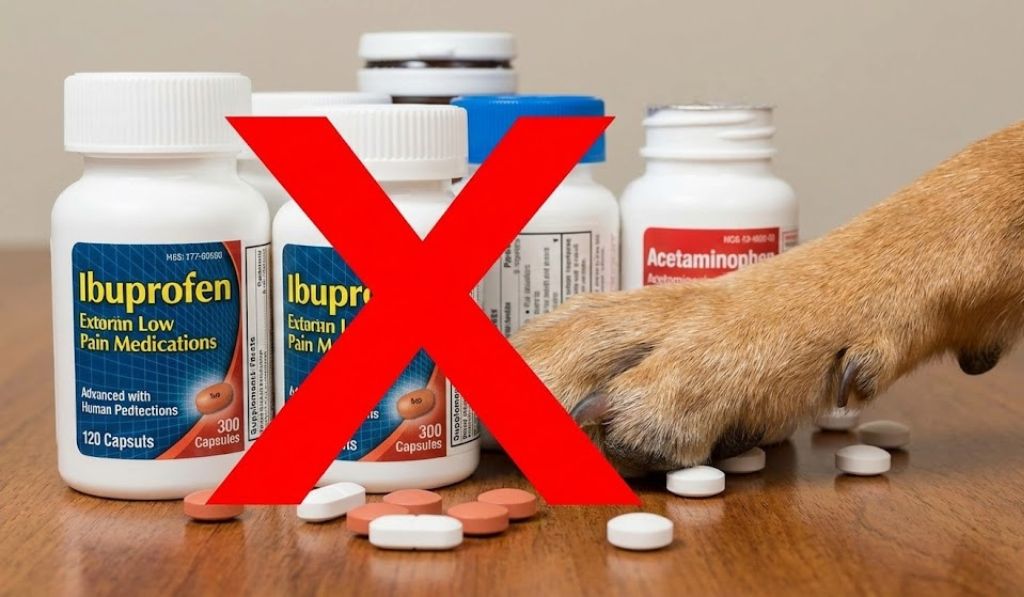
Before you reach into your medicine cabinet you must know this important fact: what you take to ease your pain will kill your dog.
Dogs digest medications quite unlike human beings and even common painkillers found in the retail market can lead to disastrous organ failure.
Never Give These to Your Dog:
- Ibuprofen (Advil, Motrin) even a single tablet can kill dogs. Ibuprofen leads to gastrointestinal severe ulcers, renal failure, and bleeding on the inside.
- The toxicity is manifested quickly, as far as a few hours after intake. In case your dog has swallowed ibuprofen in an accident, take it to the emergency veterinary care.
- Acetaminophen (Tylenol) This drug is very poisonous to dogs, it results in liver failure and red blood cells are damaged such that they are unable to carry oxygen around the body. They include brown or blue gums, the inability to breath, swelling, and rapid heart rate. This drug is also lethal even in low amounts.
- Naproxen (Aleve) Like ibuprofen but with a longer duration of toxic effects. Even a small dose may result in serious stomach and intestinal damage, kidney failure and death.
- Aspirin (Without Vet Approval) Although there are certain situations when veterinarians prescribe aspirin, people should not give it to the dogs under any circumstances. Aspirin may induce stomach ulcer, gastrointestinal bleeding and in cases of overdose, salicylate poisoning which causes hemorrhage, seizures and death.
Why should Human Painkillers Be Dangerous to Dogs?
Dogs do not have some enzymes, which humans are able to use to decompose these medications. In the absence of these enzymes, the drugs will build up in the system of your dog to toxic levels, which causes:
Life threatening bleeding stomach and intestinal ulcers. Kidney failure at the emergency level. Liver damage and failure. Neurological damage as to seizures. Bone marrow suppression. Death despite early intervention.
In case your dog has swallowed any human pain medication please call your veterinarian or an emergency animal hospital immediately. Be prepared with the name of medication, strength, and amount taken, and the time of taking.
Safe over the counter pain medication for dogs: What Works with Dogs
Unfortunately, there are no FDA approved otc pain relief for dogs that are used in the treatment of dogs in the form of over the counter medication in particular without a prescription.
This comes as good news, it means that any drug that is used to treat pain on the dogs will be well prescribed depending on the health conditions of the particular dog, weight, and specific ailment.
What About Buffered Aspirin?
In some rare cases, the veterinarians can prescribe baby aspirin or buffered aspirin to dogs with arthritis or musculoskeletal pain.
This is, however, only supposed to be administered strictly under the supervision of a veterinarian alongside certain dosing information depending on the weight of your dog.
Common dosing of aspirin approved by the vet (e.g. to be used with veterinary approval):
5 to 10 mg per pound of body weight. Given every 12 hours. Food always reduces stomach upsets. As short as possible (usually 3 to 5 days). Do not self prescribe any drug or last longer than prescribed by your vet.
Pain Relievers: The Good Way to Go
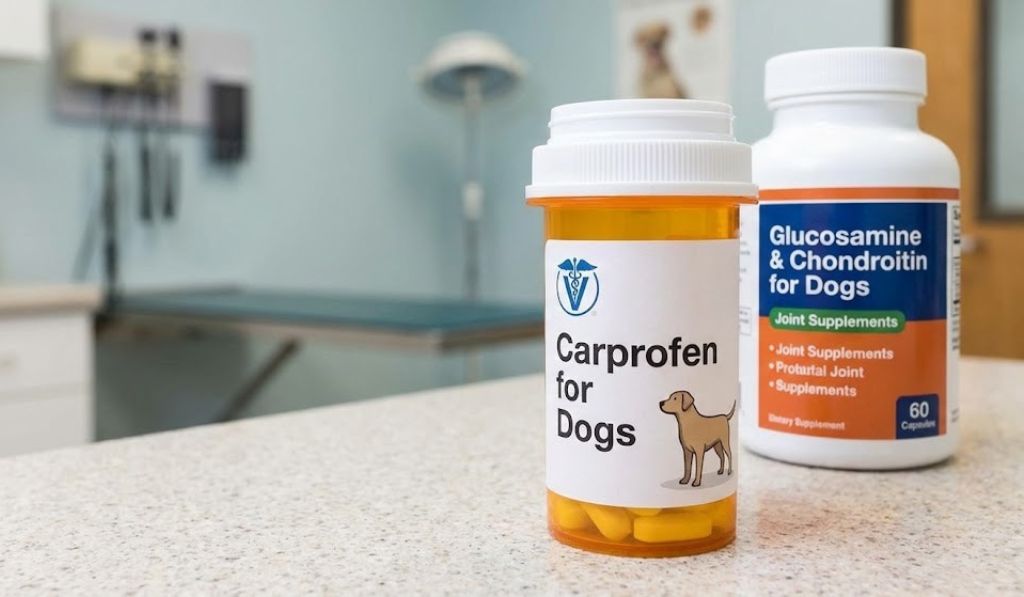
Whenever your dog requires some pain medication, your veterinarian has a number of safe, FDA approved choices that are specifically designed to suit the physiology of a dog.
Canine NSAIDs: Primary Analgesia
Nonsteroidal anti inflammatory medications used in dogs carry out their action by decreasing inflammation and inhibiting pain. These are dog pain relievers that are usually given in cases of arthritis, post surgery pain relief and injury treatment.
FDA Approved NSAIDs for Dogs:
- Carprofen (Rimadyl, Novox), the most common one prescribed in the treatment of arthritis and post surgery pain.
- Meloxicam (Metacam), the best use of this is chronic pain treatment and inflammation.
- Deracoxib (Deramaxx), pain due to orthopedic and dental surgery.
- Firocoxib (Previcox), long acting osteoarthritis.
- Grapiprant (Galliprant), more recent and less side effects, specific to osteoarthritis.
- Onsior (robenacoxib), use short term, soft tissue surgery pain.
Significant Safety Information of NSAIDs:
NSAIDs are not harmful in their prescription as a rule, but they bear certain side effects. Before treatment, your vet can suggest some baseline blood work to guarantee that your dog is healthy enough to process the drug safely, both in his kidneys and liver.
Look to These side effects of NSAID (Remember: BEST)
Behavioral alteration, listlessness, depression, aggression. Eating problems, loss of appetite, vomiting, diarrhea. Dermatological problems, redness, scabs, scratching. Tarry Stools, black and tar like stool which shows gastrointestinal bleeding.
In case you observe any of them, take away the medication and call your veterinarian.
Other Prescription pain drugs
Gabapentin Gabapentin was initially used as a convulsant, but now it is used as a primary medication in canine pain medicine, specifically nerve pain.
It is usually used in arthritis, spinal and pain caused by cancer. Gabapentin is not much associated with side effects such as drowsiness, although it is often tolerated well and can be used over time.
Tramadol This is a weak opioid that relieves moderate chronic pain particularly in older dogs with arthritis or joint disease.
Although effective, recent research in veterinary medicine indicates that tramadol might not be as effective in dogs as earlier on. Your vet will decide whether it would suit your pet.
Amantadine Works by inhibiting some neurotransmitters in the spinal cord and the brain. It is frequently used to treat arthritis, disc disease, and pain in cancer. NSAIDs can be used together with amantadine to treat pain.
Librela (Bedinvetmab) The earliest monoclonal antibody pain therapy in canine osteoarthritis, which was approved by the FDA in 2023.
Librela is administered as a monthly injection and it is meant to block the pain signals by inhibiting the growth of nerves.
Caution: Librela should not be used in dogs with neurological problems as this may further increase the symptoms of neuropathy.
Opioids Stronger opioids such as: may be used as a veterinarian prescribed to an animal with severe pain after surgery or traumatic injury.
Morphine, in serious surgical or trauma pain.
Buprenorphine, acute acute pain management.
Fentanyl, transdermal controlled pain patches.
Hydromorphone, intravenous form of acute pain.
These are very tightly regulated and only used when the veterinarian is closely supervising them.
Steroids Prednisone, dexamethasone, and steroids are the strong anti inflammatory drugs. Although effective, they should be applied with caution, because they may have side effects such as hormonal imbalance, thirstiness and frequent urination, and gastrointestinal ulcers.
Do not use steroids in combination with the NSAIDs, this multiplies the chances of severe complications by a significantly large margin.
Natural Comfort Measures: Home Remedies For Dog Pain
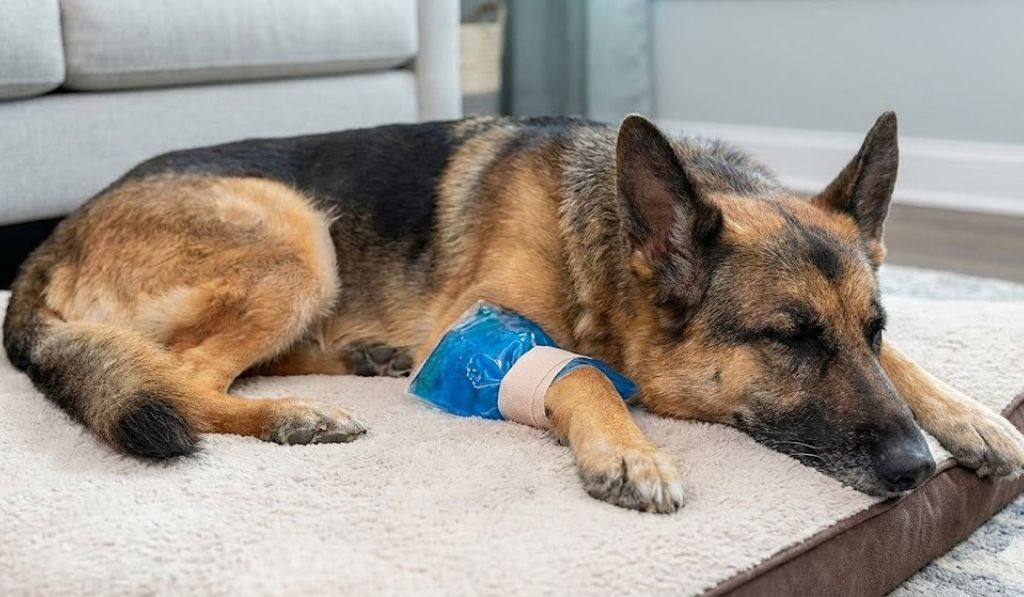
Home remedies for dog pain can never substitute veterinary treatment of serious illnesses, but they may be used as an addition to relieving the minor pain.
Temperature Therapy
Cold Compress of Acute Injuries:
Inhibits swelling and inflammation. Apply for 10 to 15 minutes at a time. Every 2 to 3 hours during the first 48 hours following injury. Put a wrap ice pack in a towel to avoid hurting the skin. Works wonders on sprains, strains or new injuries.
Warm Compress to chronic pain:
Massages tight, arthritic joints. Relaxes tense muscles. Apply for 10 to 20 minutes. Not to be used in cases of acute injury, but chronic. Huge before strenuous or physical exercise.
The Modification of Rest and Activity
At other times the ultimate dog pain remedies would be to just rest the body and the dog would heal itself. In case of minor injuries or exacerbation of arthritis:
Limit leaping and climbing stairs. Less frequent but shorter walks. Give firm supportive bedding. Access furniture or cars using ramps. Maintain a healthy weight of your dog to leave your joints at ease.
Gentle Massage
Massage has the ability to enhance circulation, ease muscle tension and relieve tension. Apply light, circular movements on painful parts, leaving no points that will make your dog drag or feel nervous.
Joint Health Natural Supplements
These vitamins help in long term joint health, and could help to lower the pain level in the long term:
- Glucosamine and Chondroitin These are substances that can be used to preserve healthy cartilage and help in slowing down arthritis.Although studies have yielded contradictory results, a large number of dogs gain advantages by these supplements. Allow 4 to 6 weeks to see effects.
- Omega 3 Fatty Acids (Fish Oil) The research has indicated that fish oil lowers inflammation and enhances the mobility of arthritic dogs. In a study, the 68mg/kg/day body weight dose was found to significantly relieve symptoms in dogs with osteoarthritis (Stern 2016). There is no harm in using fish oil with NSAIDs.
- CBD Oil A recent study conducted at Cornell University confirmed that CBD oil was effective at managing the pains of arthritis on dogs. The 2018 study proposed 2 mg/kg body weight twice a day that lowers the pain and enhances activity. Research your laws on CBD products and consult your veterinarian.
Special Care: Senior Dogs and Puppies
Pain Relief for Puppies
What can I give a puppy for pain? Puppies should be paid special attention because their organs are still developing and are generally small. Do not administer any drugs of veterinary approval. For puppy pain:
The dosing should be accurately determined depending on weight. There are drugs that young dogs cannot be safe with. Injuries of the growth plate should be handled with care.
Teething discomfort is not something to worry about but it can be alleviated with the help of suitable chew toys.
Never administer any pain med to the puppies without consulting your vet.
Frequently Asked Dog Related Questions
Can you give ibuprofen to dogs?
Absolutely not. Ibuprofen is very toxic to the dogs and may lead to kidney, gastrointestinal bleeding and death.
Is it possible to administer Tylenol to a dog?
Do not administer acetaminophen (Tylenol) to dogs. It leads to liver failure and may be fatal.
Which are the safe painkillers in dogs?
The only medications that are safe are those that have been prescribed by your veterinarian that are specifically meant to be used by your dog. It consists of FDA approved NSAIDs such as carprofen and meloxicam or other veterinarily recommended.
Which pain medication is safe to use in dogs?
NSAIDs prescribed by the veterinarians, gabapentin, and other FDA approved medications to be used by dogs. The veterinarian will always be telling you to do this.
Which is the most effective over the counter inflammatory in dogs?
No real otc anti inflammatory for dogs drugs are safe in dogs unless administered by a veterinarian. Aspirin is only applicable under restricted conditions but only where prescribed by your veterinarian.
My dog is in pain what can I give?
Call your veterinarian and get an examination and proper prescription of pain medication. Meanwhile, limit activity and use cold or warm compresses where necessary.
What about dog toenail bleeding?
When the dog toenail bleeding occurs and is painful, put styptic powder or cornstarch on it to stop bleeding, limit the amount of activity, and see your vet in case the pain continues or the bleeding does not subside within 10 minutes.
Conclusion: what pain relief is safe for dogs
The complex process of helping your dog pain meds over the counter is a complex multidimensional process that is managed professionally by a veterinarian.
Although it is tempting to use the ones that you have at the back of your medicine cabinet, the dangers are far too high. The positive aspect of the situation is that in 2026, veterinary medicine provides more pain relief methods than ever, which are safer and more effective.
Remember these key points:
Do not administer human pain drugs to dogs. Never embark on any pain reliever program without consulting your veterinarian.
Supportive care should be used in combination with drugs to achieve optimal outcomes. Keep an eye on side effects and keep your vet in the communication.
It is your responsibility to safely, informedly make decisions regarding the care of your dog. By working closely with your veterinarian and following evidence based pain management strategies, you can help your beloved companion live a comfortable, happy life, full of tail wags, playful moments, and the joy they bring to your world every single day.
Frequently Asked Questions
What can I give my dog for immediate pain relief at home?
For immediate relief, apply a cold compress to acute injuries or a warm compress to stiff joints.
However, contact your veterinarian as soon as possible for proper pain medication. Never give human pain relievers as they can be fatal.
Are there any over the counter pain meds for dogs I can buy without a prescription?
No. There are no FDA approved over the counter pain medications specifically formulated for dogs available without veterinary prescription. This protects your dog from dangerous medication errors.
What painkillers can I give my dog with kidney disease?
Dogs with kidney disease require special consideration as many pain medications are processed through the kidneys.
Your veterinarian will likely recommend alternatives to traditional NSAIDs, possibly including gabapentin, opioids for severe pain, or carefully monitored low dose NSAIDs with frequent blood work.
Can dogs have anti-inflammatory medication?
Yes, but only veterinary prescribed NSAIDs specifically formulated for dogs. Human anti-inflammatory drugs like ibuprofen and naproxen are toxic to dogs.
My dog ate ibuprofen, what should I do?
This is a medical emergency. Contact your veterinarian or emergency animal hospital immediately.
Have the medication name, strength, amount ingested, and time ready. Do not wait for symptoms to appear.
Can puppies take pain medication?
Puppies can take certain pain medications, but dosing must be precisely calculated and some drugs aren’t safe for young dogs.
Always consult your veterinarian before giving pain medicine to puppies.
What is a pain killer for dogs for arthritis?
Veterinary prescribed NSAIDs like carprofen, meloxicam, or grapiprant are first line treatments for arthritis pain.
These may be combined with gabapentin, joint supplements, and physical therapy for optimal relief.